
WELCOME TO MAKHUDUTHAMAGA LOCAL MUNICIPALITY
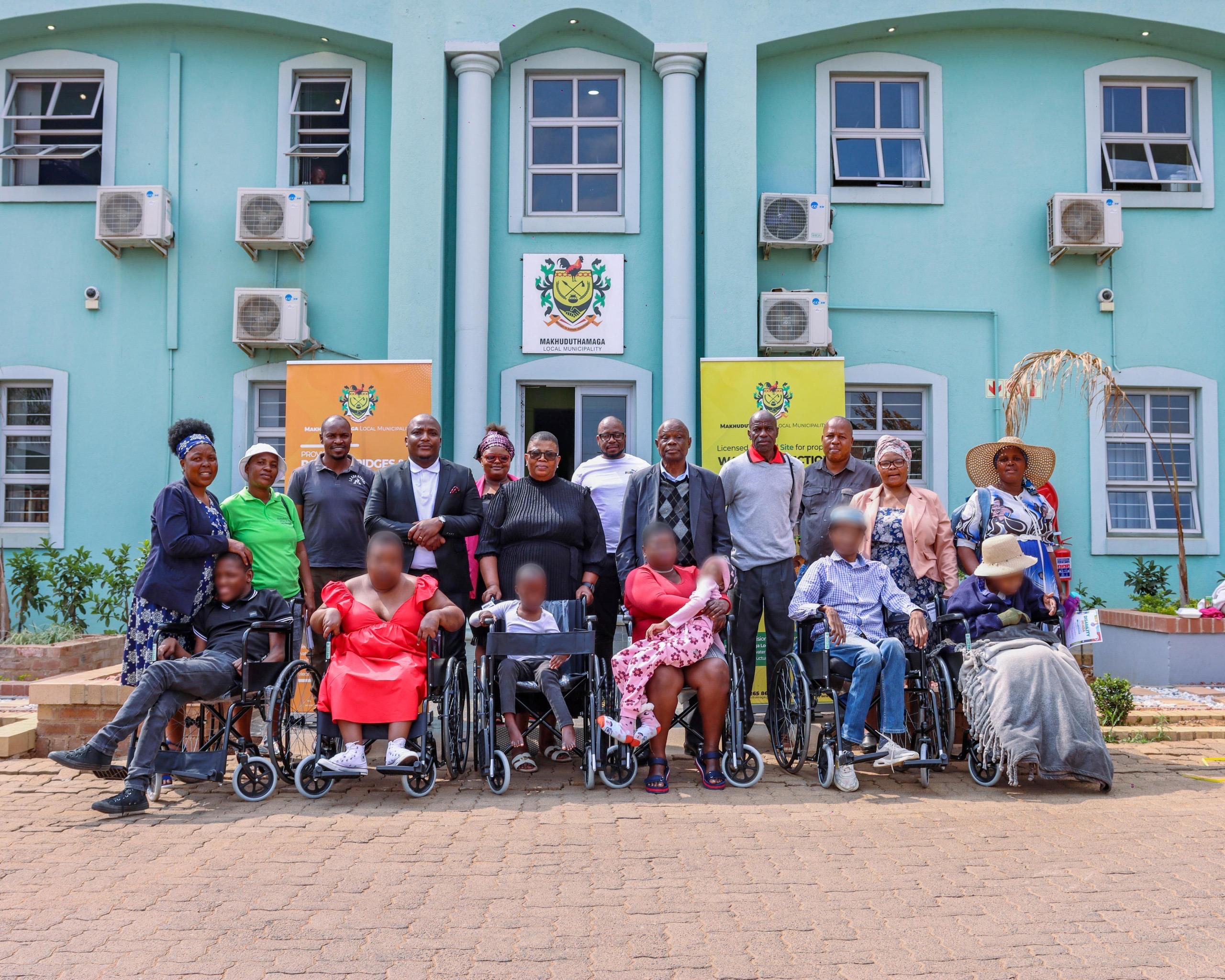
The principles that guide our commitment to delivering quality services and building a better community.
Professionalizing local government is identified as essential in the MTAS (Municipal Turnaround Strategy).The MLM upholds high standards of professionalism as enunciated in the Constitution. Hard work, service to the people, humility, honesty and respect are integral components of professional values. Respect not only the laws of the land but also one another in a performance relationship – this emphasizes mutual respect and regard for dignity of a person or his/her responsibility.
Regular consultations with the people about the services MLM provides.
Need to specify the quality of services people can expect.
Increase access to services especially people disadvantaged by attitude related barriers.
Treatment of customers with courtesy and consideration. Things such as smile, respect for customs, apology if things go wrong – this cost nothing.
Provide more and better information about services so that customers have full, accurate, relevant and up-to-date information about the services they are entitled to receive.
Tell people how MLM operates, including its departments, costs and who is in charge.
If the promised standard of services is not delivered (failures/mistakes/performance problems occur) citizens should be offered an apology, a full explanation and a speedy and effective remedy, and when the complaints are made, citizens should receive a sympathetic, positive responsible.
Give the best possible value for money so that customers feel that their contribution through taxation is used effectively, efficiently and savings ploughed back to improve their lives. The implementation of Batho Pele Principles is continuous process, not a once off task, to be done all the time.
The Makhuduthamaga Local Municipality (MLM) is a Category B4 municipality that is located within Sekhukhune District Municipality (SDM) of the Limpopo Province. In its State of Local Government in South Africa: overview report, the Department of Cooperative Governance and Traditional Affairs (COGTA 2009) describes category B4 municipalities as municipalities which are mainly rural with communal tenure and with, at most, one or two small towns in their area. The municipality is completely rural in nature, dominated by traditional land ownership and comprises of a land area of approximately 2 096.9 square meters. It is made up of 189 settlements with a population of 274 358 people and 65 217 households, which amounts to more than 24% of the District 1 076 840: Census 2011.Like most rural municipalities in the Republic of South Africa, Makhuduthamaga is characterized by weak economic base, poor infrastructure, major service delivery backlogs, dispersed human settlements and high poverty levels The Municipality shares borders with Fetakgomo on the north east, Ephraim Mogale to the west, Elias Motsoaledi on the south and Lepelle Nkumpi municipality in the north. Jane Furse, the head quarter of Makhuduthamaga Local Municipality, is located 347 km North East of Johannesburg, 247km North East of Pretoria, 189km South East of Polokwane, and 70km south west of Burgersfort.
Read MoreMakhuduthamaga: Literally means “executives”, this was a term used to denote members of the Fetakgomo movement in the 1950s.
Read MoreThe municipality's main strategic priorities and objectives for the coming five years are:
To ensure greater investment in infrastructure and provide better services to Makhuduthamaga residents and businesses.
To build the capacity of MLM through improved institutional efficiency, effectiveness, competency, targeted training, recruitment, and the development of an organizational culture of service and responsiveness.
To build a sustainable revenue base for the Municipality.
Promote local economic development (LED) in the municipal area.
Improve good governance and deepen community involvement in the affairs of the municipality.
To contribute to the health and safety of communities in Makhuduthamaga through proactive identification, prevention, mitigation and management of environmental health and disaster risks.
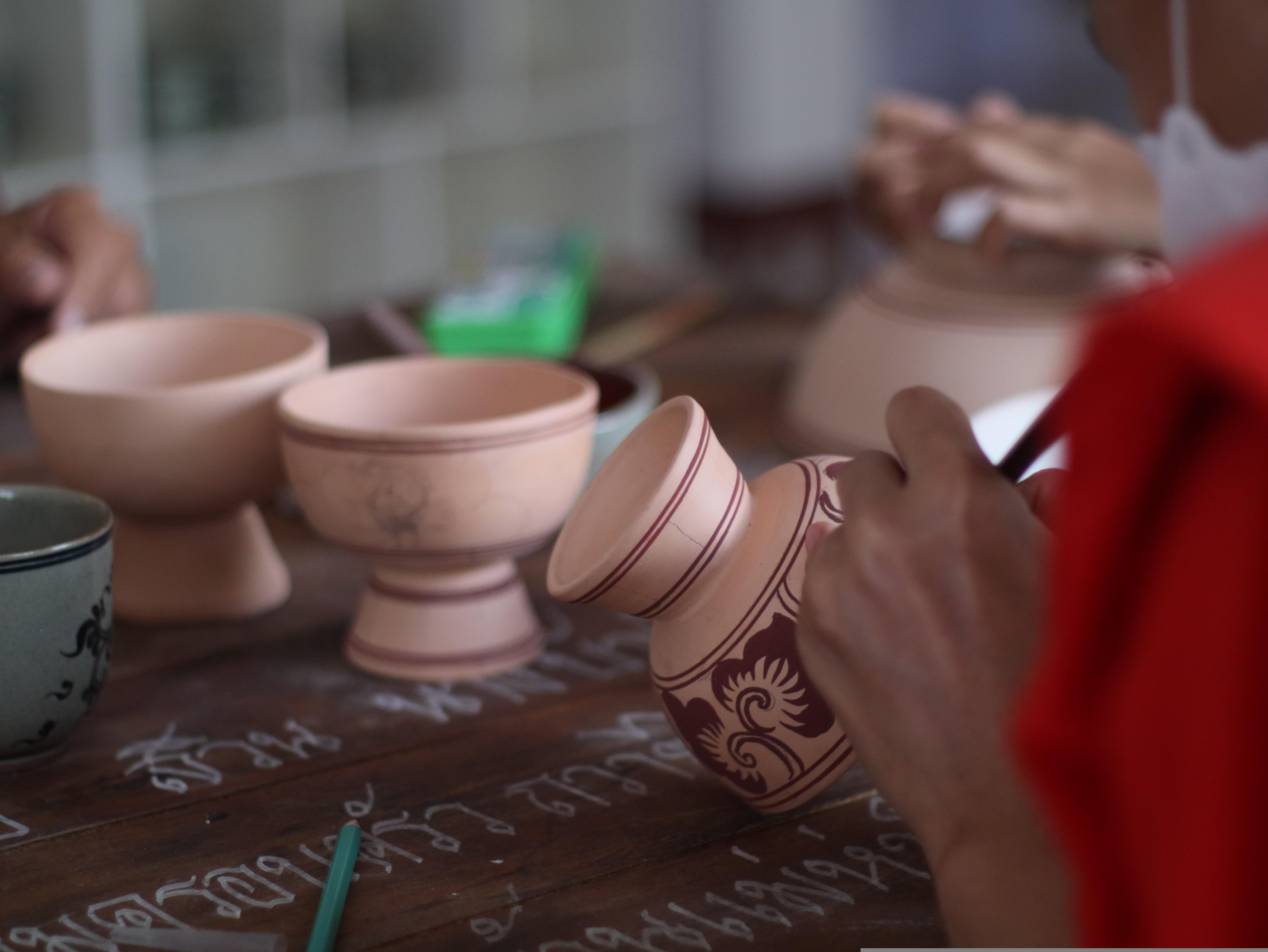
Education & Skills Development
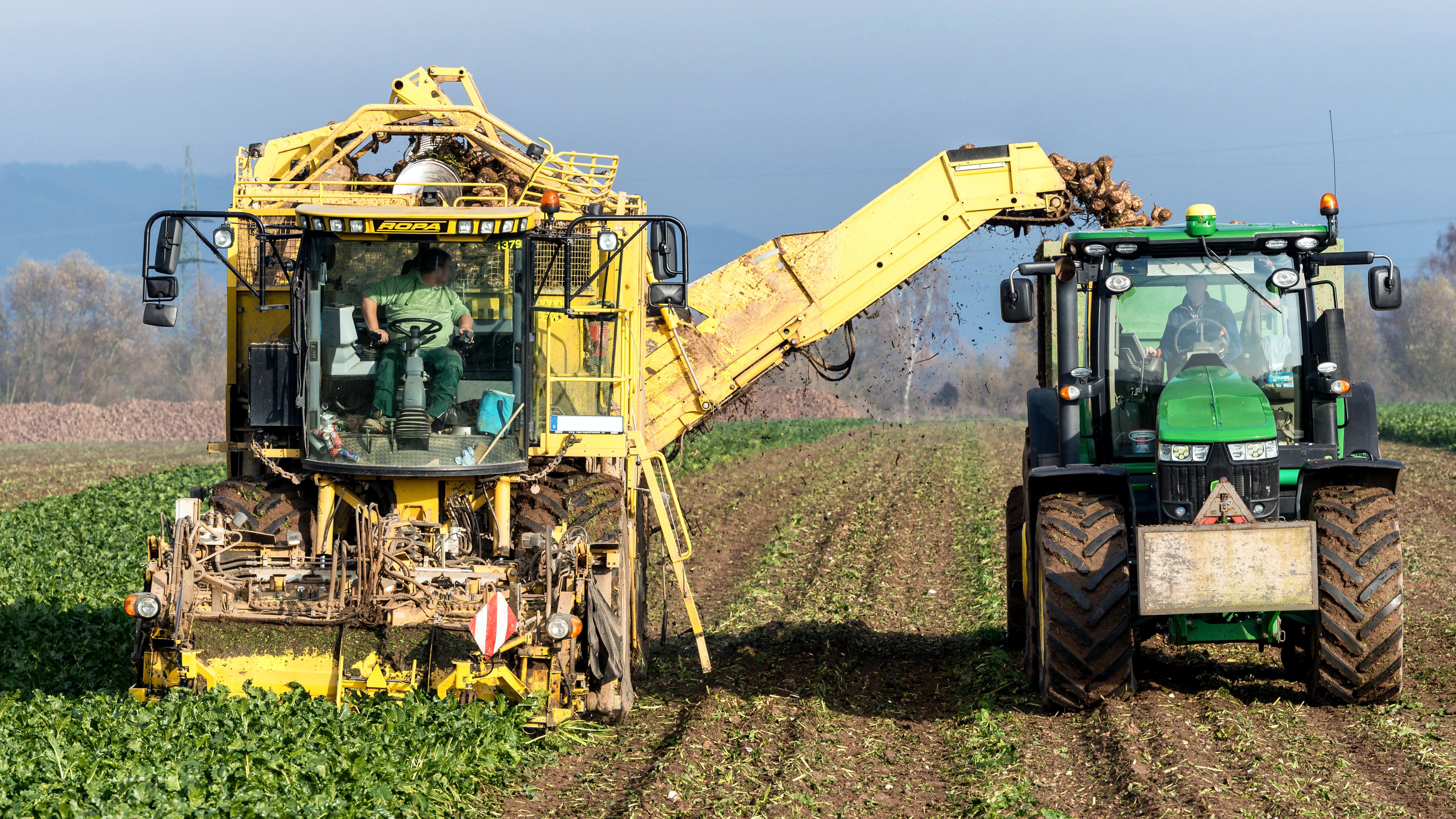
Economic Development
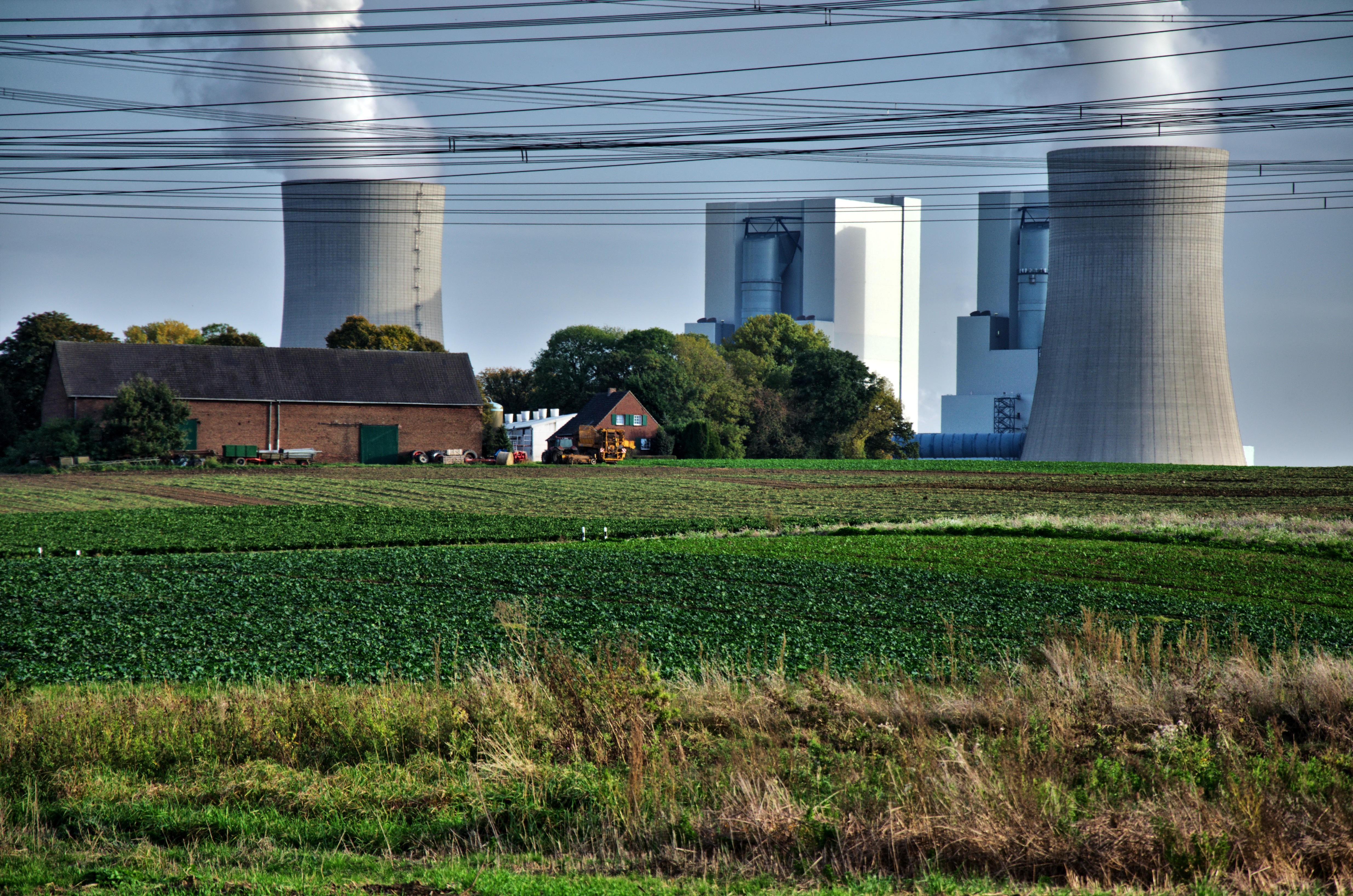
Industrial Development

No notifications
Stand No 1 Groblersdal Road, Jane Furse 1085
013 265 8600/14
info@makhuduthamaga.gov.za
Current Page Today: 376
June Current Page: 378
Total Current Page: 381
Total Recorded Visits: 790